Low-Carb Meal Plan for Pregnancy: A Complete 7-Day Guide
When you’re expecting, it’s key to eat well for your health and your baby’s growth. A good diet helps with weight, supports your baby, and lowers pregnancy risks. You might think about a low-carb diet for its benefits in blood sugar and weight.
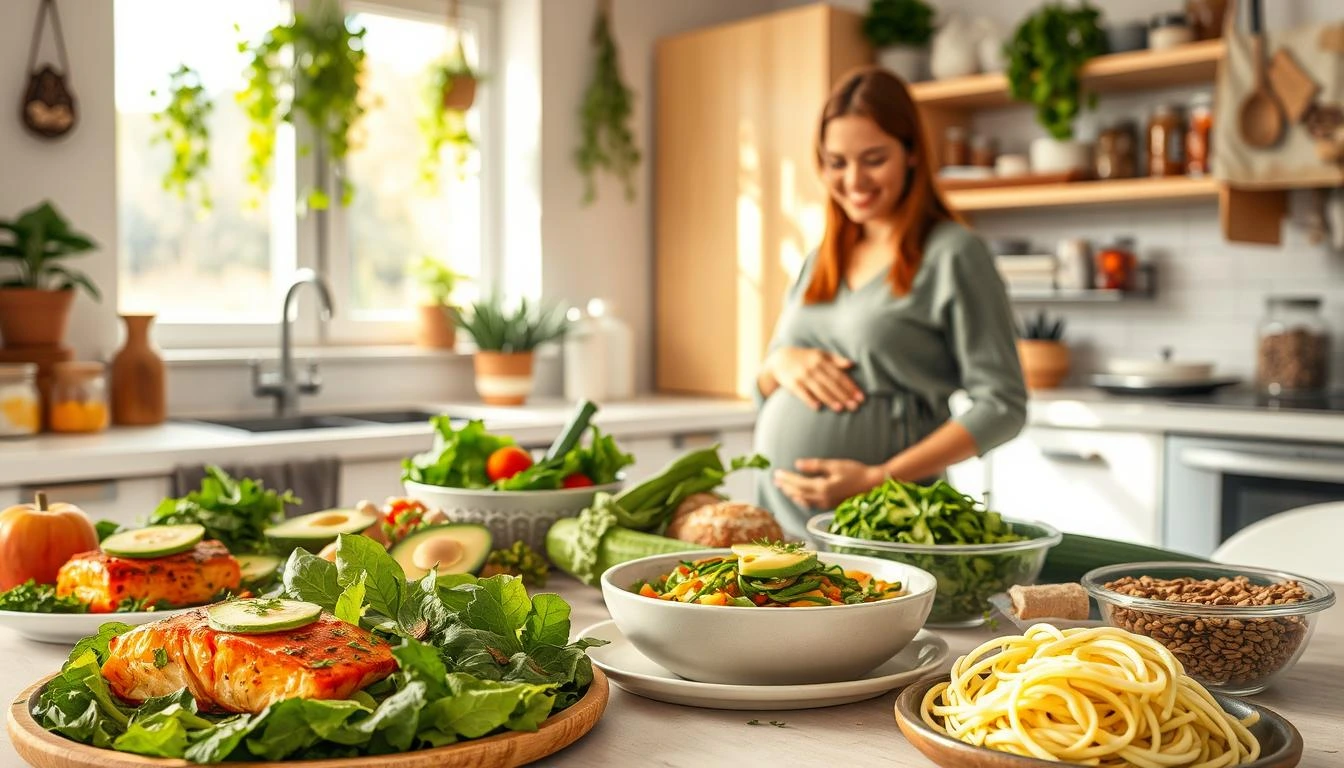
A low-carb meal plan for pregnancy is a smart choice for getting the right nutrients. This 7-day guide offers a pregnancy diet plan with tasty and healthy meals. You’ll get breakfast, lunch, dinner, and snack ideas.
Key Takeaways
- Understand the importance of a healthy diet during pregnancy.
- Learn how a low-carb diet can benefit pregnancy.
- Get a 7-day structured meal plan for a healthy pregnancy.
- Discover nutritious and delicious meal ideas.
- Manage your carbohydrate intake effectively.
Understanding Low-Carb Diets During Pregnancy
Thinking about a low-carb diet during pregnancy? It’s key to know how it affects you and your baby. It’s not just about cutting carbs. It’s about making smart choices for your health and your baby’s growth.
A low-carb diet means eating less of foods high in carbs like sugars and pasta. You’ll eat more protein and healthy fats. But, pregnancy has different nutritional needs, so you’ll need to make some changes.
What Defines a Low-Carb Diet for Pregnant Women
Pregnant women focus on whole, nutrient-rich foods in a low-carb diet. This includes veggies, lean proteins, and healthy fats. The goal is to give your baby the nutrients they need while keeping your blood sugar stable.
Why Traditional Keto May Not Be Suitable
Traditional keto diets, with lots of fat and few carbs, might not be right for pregnant women. They can be too restrictive and might not provide all the needed nutrients. Pregnancy needs a balanced mix of vitamins, minerals, and macronutrients, making a moderate low-carb diet better.
Studies show that very low-carb diets during pregnancy can lead to nutrient deficiencies. These include fiber, vitamins, and minerals. A balanced diet with complex carbs, lean proteins, and healthy fats is better for pregnancy nutrition.
| Nutrient | Importance During Pregnancy | Low-Carb Food Sources |
|---|---|---|
| Protein | Supports fetal growth | Lean meats, fish, eggs |
| Folate | Crucial for preventing birth defects | Leafy greens, citrus fruits |
| Iron | Essential for red blood cell production | Red meat, poultry, fortified cereals |
When on a low-carb diet during pregnancy, pay close attention to your nutrient intake. Always talk to your healthcare provider. They can help you make the best choices for your health and your baby’s well-being.
Benefits of a Moderate Low-Carb Approach While Expecting
Following a moderate low-carb diet during pregnancy can bring many benefits. It focuses on whole, nutrient-rich foods. This can improve your health and lower the risk of pregnancy problems.
Managing Gestational Diabetes Risk
A low-carb diet can help control blood sugar levels. This is key in preventing gestational diabetes. Studies show that managing carbs is vital for healthy blood sugar during pregnancy.
Controlling Pregnancy Weight Gain
Using a moderate low-carb diet can also help manage weight gain. It emphasizes protein and healthy fats. This makes you feel full longer, helping avoid too much weight gain.
Reducing Pregnancy Symptoms
Some women find a low-carb diet eases pregnancy symptoms like fatigue and mood swings. It helps keep blood sugar stable. This leads to more consistent energy all day.
| Benefit | Description |
|---|---|
| Managing Gestational Diabetes Risk | Regulating blood sugar levels through carbohydrate management |
| Controlling Pregnancy Weight Gain | Emphasizing protein-rich foods and healthy fats for satiety |
| Reducing Pregnancy Symptoms | Stabilizing blood sugar levels to alleviate fatigue and mood swings |
Essential Nutrients for Your Pregnancy on a Low-Carb Meal Plan
Following a low-carb meal plan during pregnancy means focusing on nutrient-rich foods. This ensures you and your baby get all the necessary nutrients for health.
Critical Vitamins and Minerals
Pregnant women need more vitamins and minerals. Folic acid is key to preventing birth defects in the baby’s brain and spine. Iron helps make red blood cells, and a lack of it can cause anemia. Calcium is important for the baby’s bones, teeth, and muscles. Don’t forget about Vitamin D, which helps your body absorb calcium.
Protein Requirements
Protein is vital for a healthy pregnancy diet. It supports the baby’s growth. Aim for 70-100 grams of protein daily. Good sources include lean meats, fish, eggs, tofu, and legumes.
Healthy Fat Sources
Healthy fats are crucial for brain development and vitamin absorption. They also help you feel full and satisfied. Eat avocados, olive oil, nuts, and seeds. Fatty fish like salmon are great, but limit them due to mercury.
By focusing on these nutrients, you can keep your low-carb diet balanced and healthy during pregnancy.
Safety Considerations Before Starting a Low-Carb Meal Plan for Pregnancy
Before starting a low-carb meal plan during pregnancy, it’s crucial to consider several safety factors. Pregnancy is a unique period where nutritional needs are paramount for both the mother’s and the baby’s health.
When to Consult Your Healthcare Provider
You should consult your healthcare provider before making any significant changes to your diet, especially when considering a low-carb meal plan. This is particularly important if you have any pre-existing health conditions or if you’ve experienced complications in previous pregnancies.
- Discuss your plans with your healthcare provider to ensure they align with your prenatal care.
- Share your medical history to identify potential risks associated with a low-carb diet.
- Understand the nutritional requirements for your stage of pregnancy.
Warning Signs to Watch For
While on a low-carb meal plan during pregnancy, it’s essential to be aware of any adverse effects. Warning signs include:
- Dizziness or fainting
- Severe fatigue
- Nausea or vomiting
- Constipation
If you experience any of these symptoms, consult your healthcare provider immediately.
Modifications for Each Trimester
Your nutritional needs vary across different trimesters. For instance, during the first trimester, you may need to focus on managing morning sickness, while in the later stages, you might need to adjust your diet to support the baby’s growth.
- First Trimester: Focus on tolerable foods and managing nausea.
- Second and Third Trimesters: Increase your nutrient intake to support fetal development.
Structuring Your Low-Carb Meal Plan for Pregnancy
It’s important to know how to plan your low-carb meals during pregnancy. A good plan helps you get the nutrients you need and keeps carb intake in check.
Caloric Needs by Trimester
Your calorie needs change as you progress in pregnancy. In the first trimester, you need about the same calories as a non-pregnant woman. But, in the second and third trimesters, you need more. Usually, you need an extra 300 calories a day in the second and third trimesters. Always talk to your healthcare provider to find out exactly how many calories you need.
Carbohydrate Targets for Pregnant Women
Finding the right carb target is key. There’s no single answer, but a moderate low-carb diet is often suggested. It aims to keep daily carbs between 100-150 grams. This helps keep your blood sugar stable and gives you and your baby enough energy.
Meal Timing and Frequency
Eating at regular times helps control hunger and keeps blood sugar steady. Try to have three main meals and two to three snacks a day. Adjust the sizes based on your needs and how active you are.
By thinking about these points, you can make a low-carb meal plan that’s good for you and your baby during pregnancy.
Days 1-2: Beginning Your Low-Carb Pregnancy Journey
Starting your low-carb pregnancy journey is exciting. It’s key to eat foods rich in nutrients for your health and your baby’s growth. A good low-carb meal plan can help manage diabetes risk, control weight gain, and ease pregnancy symptoms.
Day 1 Complete Menu
Here’s a sample meal plan for Day 1 of your low-carb pregnancy diet:
Breakfast
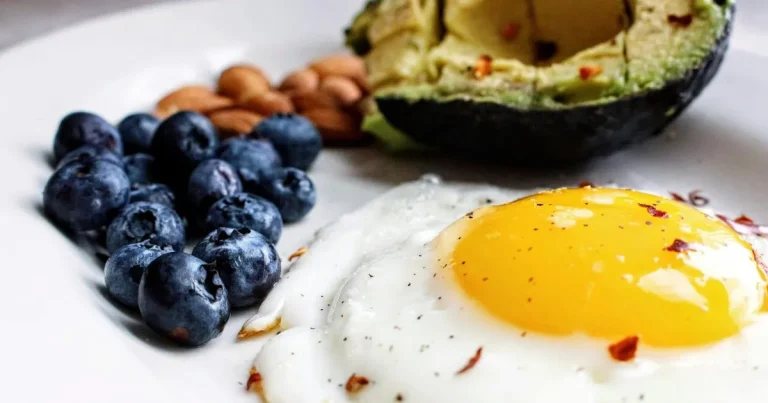
Scrambled eggs with spinach and avocado. This meal is packed with protein, healthy fats, and fiber.
Lunch
Grilled chicken breast with a mixed greens salad, cherry tomatoes, and vinaigrette dressing. It offers lean protein and essential vitamins and minerals.
Dinner
Baked salmon with roasted broccoli and cauliflower. Salmon is rich in omega-3 fatty acids, important for your baby’s development.
Snacks
Mid-morning: Celery sticks with almond butter. Mid-afternoon: Greek yogurt with berries.
| Meal | Food | Nutritional Highlights |
|---|---|---|
| Breakfast | Scrambled eggs with spinach and avocado | Protein, healthy fats, fiber |
| Lunch | Grilled chicken breast with mixed greens salad | Lean protein, vitamins, minerals |
| Dinner | Baked salmon with broccoli and cauliflower | Omega-3 fatty acids, vitamins, fiber |

Day 2 Complete Menu
For Day 2, consider the following meal plan:
Breakfast
Keto smoothie with almond milk, protein powder, spinach, and berries.
Lunch
Turkey lettuce wraps with avocado, tomato, and mustard.
Dinner
Grilled steak with roasted Brussels sprouts and sweet potato.
Snacks
Mid-morning: Cottage cheese with cucumber slices. Mid-afternoon: Mozzarella cheese sticks.
| Meal | Food | Nutritional Highlights |
|---|---|---|
| Breakfast | Keto smoothie | Protein, healthy fats, fiber |
| Lunch | Turkey lettuce wraps | Lean protein, healthy fats |
| Dinner | Grilled steak with Brussels sprouts and sweet potato | Protein, fiber, vitamins |
By following this low-carb meal plan, you’re taking a big step towards a healthier pregnancy. Always drink plenty of water and talk to your healthcare provider if you have any questions.
Days 3-5: Maintaining Your Low-Carb Pregnancy Diet
Days 3 to 5 are key in your low-carb pregnancy diet. You’ll find many meal options to keep your diet exciting and fulfilling. These days help you keep up the good work and introduce new tastes to your meals.
Day 3 Complete Menu
Start day 3 with a healthy breakfast of scrambled eggs, spinach, and avocado. For lunch, try a grilled chicken salad with olive oil and vinegar dressing, and add sliced almonds on top. Dinner brings baked salmon with roasted broccoli and cauliflower. Make sure to have healthy snacks like celery with almond butter and macadamia nuts.
Breakfast, Lunch, Dinner, and Snacks
- Breakfast: Scrambled eggs with spinach and avocado
- Lunch: Grilled chicken salad with olive oil and vinegar dressing, topped with sliced almonds
- Dinner: Baked salmon with roasted broccoli and cauliflower
- Snacks: Celery sticks with almond butter, macadamia nuts
Day 4 Complete Menu
Day 4 starts with a breakfast of Greek yogurt, berries, and chopped nuts. Lunch is a turkey lettuce wrap with avocado, tomato, and mustard. For dinner, enjoy grilled lamp chops with sautéed spinach and mushrooms. Don’t forget snacks like cottage cheese with raspberries and olives.
Breakfast, Lunch, Dinner, and Snacks
- Breakfast: Greek yogurt with berries and chopped nuts
- Lunch: Turkey lettuce wrap with avocado, tomato, and mustard
- Dinner: Grilled lamp chops with sautéed spinach and mushrooms
- Snacks: Cottage cheese with raspberries, olives
Day 5 Complete Menu
Day 5 begins with a breakfast of smoothies with almond milk, protein powder, and spinach, topped with almonds. For lunch, have a chicken Caesar salad with romaine lettuce, grilled chicken, and homemade Caesar dressing. Dinner is beef stir-fry with bell peppers, onions, and snow peas, cooked in coconut oil. Enjoy hard-boiled eggs and cherry tomatoes as snacks.
Breakfast, Lunch, Dinner, and Snacks
- Breakfast: Smoothie with almond milk, protein powder, and spinach, topped with sliced almonds
- Lunch: Chicken Caesar salad with romaine lettuce, grilled chicken, and homemade Caesar dressing
- Dinner: Beef stir-fry with bell peppers, onions, and snow peas, cooked in coconut oil
- Snacks: Hard-boiled eggs, cherry tomatoes
Following these meal plans for days 3 to 5 will keep your low-carb diet balanced and satisfying during pregnancy. Always drink plenty of water throughout the day to stay hydrated.
Days 6-7: Completing Your Week of Low-Carb Eating
As you near the end of your 7-day low-carb pregnancy meal plan, Days 6 and 7 bring tasty and healthy meals. These meals will keep you full and on track.
Day 6 Complete Menu
On Day 6, enjoy these healthy meal choices:
- Breakfast: Scrambled eggs with spinach and avocado
- Lunch: Grilled chicken breast with a side salad and olive oil dressing
- Dinner: Baked salmon with roasted broccoli and cauliflower
- Snacks: Celery sticks with almond butter and a handful of macadamia nuts
Breakfast, Lunch, Dinner, and Snacks
Start your day with scrambled eggs, spinach, and avocado. This mix of protein and healthy fats will keep you full until lunch. Lunch features grilled chicken breast, which is full of protein. The side salad adds fiber and vitamins.
Dinner brings baked salmon, packed with omega-3 fatty acids important for your baby’s growth. Snacks of celery with almond butter and macadamia nuts offer healthy fats and protein.
Day 7 Complete Menu
On Day 7, try these meal options:
- Breakfast: Greek yogurt with berries and chopped nuts
- Lunch: Turkey lettuce wraps with avocado and tomato
- Dinner: Grilled steak with sautéed spinach and mushrooms
- Snacks: Cottage cheese with raspberries and a sprinkle of cinnamon
Breakfast, Lunch, Dinner, and Snacks
Begin your day with Greek yogurt, berries, and nuts. This mix is rich in protein and calcium. Lunch offers turkey lettuce wraps, a low-carb alternative to traditional sandwiches, with protein and healthy fats.
Dinner is grilled steak with sautéed spinach and mushrooms. This meal is packed with iron and vitamins. Snacking on cottage cheese with raspberries adds extra protein and calcium.

Grocery Shopping List for Your Low-Carb Pregnancy Diet
Creating a grocery list for your low-carb pregnancy diet is key. It helps you stay healthy and balanced. With the right ingredients, you can make meals that support your health and your baby’s growth.
Pantry Essentials
Having the right foods in your pantry is essential. Include items like:
- Nuts and seeds (almonds, chia seeds, flaxseeds)
- Olive oil and other healthy oils
- Spices and herbs (turmeric, basil, oregano)
- Low-carb granola and snacks
- Sugar-free condiments (ketchup, mayonnaise, mustard)
Fresh Produce Guide
Fresh produce is crucial for a balanced diet during pregnancy. Make sure to include:
- Leafy greens (spinach, kale, lettuce)
- Broccoli, cauliflower, and other cruciferous vegetables
- Avocados
- Tomatoes and other low-carb vegetables
- Berries and other low-sugar fruits
Protein and Dairy Selections
Protein and dairy are important for fetal development. Choose a variety of:
| Protein Sources | Dairy Options |
|---|---|
| Chicken breast | Full-fat Greek yogurt |
| Salmon and other fatty fish | Cheese (in moderation) |
| Beef and lamp | Eggs |
| Turkey and other poultry | Cottage cheese |
By focusing on these categories, you can ensure a balanced and nutritious diet.
Managing Cravings and Aversions on Your Low-Carb Pregnancy Diet
Managing cravings and aversions is key when you’re on a low-carb diet during pregnancy. Pregnancy can make you crave certain foods intensely. It can also make you dislike other foods, making it hard to follow your diet.
Healthy Substitutes for Common Cravings
Healthy substitutes can help you resist cravings. For sweet cravings, try low-carb fruits like berries or citrus fruits. For crunchy snacks, raw vegetables with almond butter or hummus are great alternatives.

Dealing with Food Aversions
Dealing with food aversions can be tough. If you can’t stand certain foods, try different ways of preparing them. Or, choose other foods that are full of nutrients but you can eat.
If cooking meat smells bad to you, try hard-boiled eggs or canned tuna instead. They’re cold and packed with protein.
When to Allow Yourself Flexibility
It’s important to stick to your diet, but sometimes you need to be flexible. If cravings or aversions are affecting your nutrition, talk to your healthcare provider. They can give you advice tailored to your needs.
Conclusion
By finishing this 7-day low-carb meal plan for pregnancy, you’ve made a big step towards a healthier pregnancy. A balanced and nutritious low-carb diet helps manage gestational diabetes risk and controls weight gain. It also reduces pregnancy symptoms.
To keep going, focus on a well-rounded low-carb meal plan. Make sure it has all the important nutrients like vitamins, minerals, protein, and healthy fats. Keep an eye on your calorie intake and carb targets for each trimester.
Choosing a low-carb meal plan for pregnancy is a smart move for your health and your baby’s. Keep talking to your healthcare provider and adjust as needed. This will help you have a smooth and healthy pregnancy.
FAQ
Is a low-carb diet safe during pregnancy?
A moderate low-carb diet can be safe during pregnancy if you plan it well and keep an eye on it. Always talk to your healthcare provider before changing your diet.
How does a low-carb diet help with gestational diabetes?
A low-carb diet helps manage gestational diabetes by cutting down on carbs. This helps keep blood sugar levels in check.
What are the essential nutrients to focus on during a low-carb pregnancy diet?
You need to focus on folate, iron, calcium, protein, and omega-3 fatty acids. Getting enough of these nutrients is key for a healthy pregnancy.
Can I follow a traditional keto diet during pregnancy?
Traditional keto diets might not be the best choice during pregnancy because they’re very restrictive. A more balanced low-carb diet is usually recommended.
How do I manage cravings on a low-carb pregnancy diet?
To manage cravings, find healthy alternatives to your usual cravings. Also, pay attention to your nutrient intake. A bit of flexibility in your diet can help too.
What should I include in my grocery shopping list for a low-carb pregnancy diet?
Your shopping list should have nuts and seeds, leafy greens, and vegetables. Also, include lean meats and fish as your protein sources.
How do I structure my meal plan for a low-carb pregnancy diet?
Plan your meals by considering your calorie needs for each trimester. Set carb targets and plan when and how often to eat.
Are there any specific warning signs I should watch for while on a low-carb pregnancy diet?
Yes, watch out for severe fatigue, dizziness, or any other concerning symptoms. If you notice these, talk to your healthcare provider right away.
Can a low-carb diet help with pregnancy symptoms?
A low-carb diet might help with some pregnancy symptoms. It could lessen morning sickness or help manage blood sugar levels.
How often should I eat on a low-carb pregnancy diet?
Eating frequency can vary. But, eating smaller meals more often can help control hunger and keep blood sugar stable.
Give us your Opinion!
There are no reviews yet. Be the first one to write one.