The Secret to Perfect Low Carb Pizza Crust (Only 4 Ingredients!)
Craving pizza while following a low carb diet? Low carb pizza crust recipes are actually easier to make than traditional dough and require just 4 simple ingredients . You can enjoy a delicious pizza experience without compromising your dietary goals.
This low carb pizza crust recipe is not only keto-friendly and gluten-free , but also packed with protein from eggs and healthy fat from the ingredients used . Surprisingly, it holds together like an actual crust while maintaining a texture and flavor close to the real thing . Additionally, this perfect weeknight dinner option is ready in just 30 minutes .
In this guide, you’ll discover exactly how these four kitchen staples come together to create a pizza base that satisfies your cravings. We’ll walk through each step of the process, share tips for perfect texture, and provide customization options to make this recipe your own. Whether you’re following a keto lifestyle or simply looking for healthier alternatives, this pizza crust will become your new go-to option.
The 4 Ingredients That Make It Work

Image Source: Taste
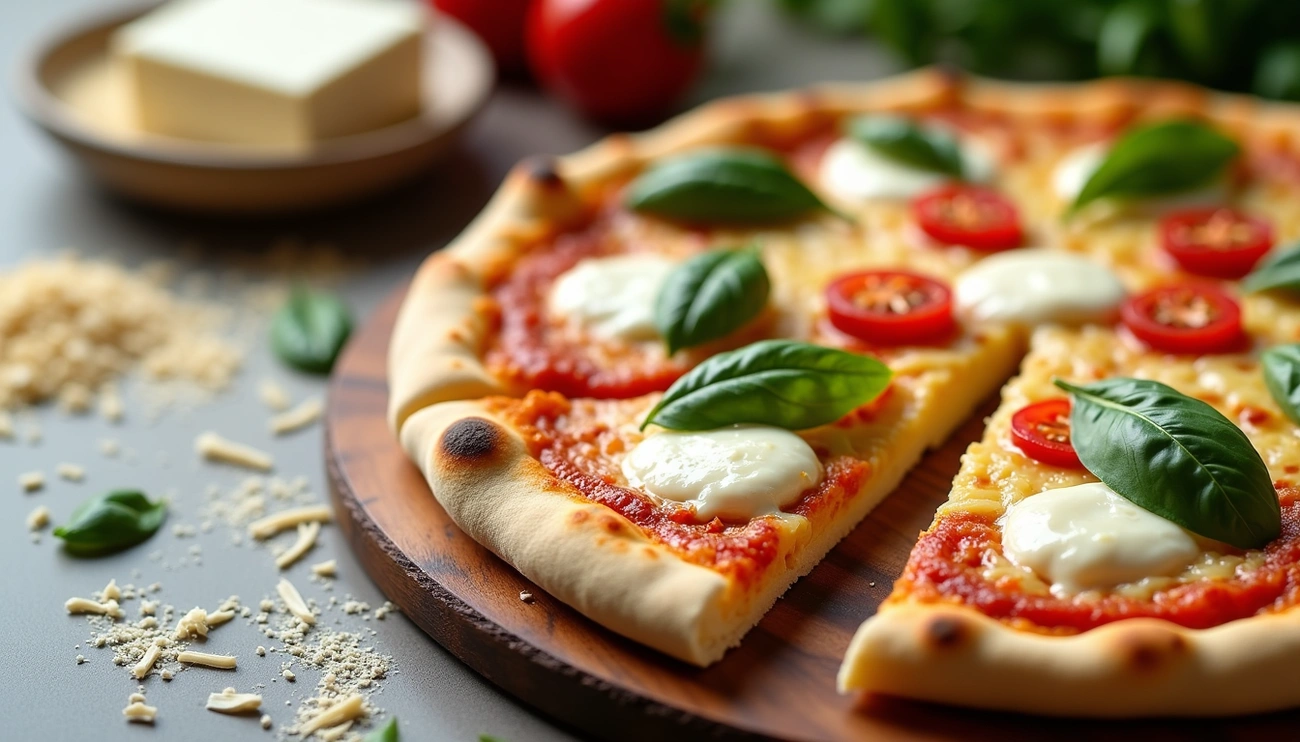
The magic behind this low carb pizza crust recipe lies in its simplicity. Just four basic ingredients combine to create a dough that mimics traditional pizza crust without the carb overload. Each component plays a crucial role in delivering the perfect texture and flavor that will satisfy your pizza cravings.
Mozzarella cheese
Mozzarella cheese serves as the foundation of this revolutionary crust. It’s not just a topping anymore—it’s the main structural element that gives the dough its stretchy, pliable quality. When melted and combined with other ingredients, mozzarella creates that characteristic chew we all love in a good pizza crust.
For this recipe, you’ll need to use pre-shredded low-moisture part-skim mozzarella cheese. This specific type works best because it has less water content and melts more consistently. Fresh mozzarella contains too much moisture, which would make your crust soggy rather than crisp [1]. The drier, pre-packaged variety creates the ideal texture for a sturdy base that can hold all your favorite toppings.
Mozzarella also contributes to the nutritional profile of your low carb pizza. A single serving of this cheese-based crust can provide up to 31 grams of protein [2], making it significantly more nutritious than traditional flour-based alternatives.
Moreover, the mild flavor of mozzarella works perfectly as a blank canvas. It doesn’t overpower your toppings but instead complements them beautifully. When melted properly, it forms the elastic structure that allows you to roll out the dough and shape it just like conventional pizza dough.
Cream cheese
Cream cheese might seem like an unusual addition to pizza dough, yet it’s absolutely essential for this recipe. It works alongside mozzarella to create a smooth, workable dough that won’t crumble when handled. The small amount (typically about 2 tablespoons or 1 ounce) adds richness without dominating the flavor profile [3].
When melted with mozzarella, cream cheese helps distribute heat evenly throughout the mixture, ensuring all cheese melts uniformly. This creates a consistent texture throughout your crust. Cream cheese functions as an emulsifier, binding the cheese mixture with the drier ingredients to create a cohesive dough.
The slight tanginess of cream cheese adds depth of flavor that balances the richness of the mozzarella. It contributes to the bread-like quality of the finished crust, helping it taste more like traditional pizza dough rather than simply melted cheese.
Some recipes substitute butter for cream cheese [4], offering similar results because both ingredients provide necessary fat content. However, cream cheese typically yields a smoother dough that’s easier to work with. For best results, use room temperature cream cheese (such as Philadelphia) to ensure it melts evenly when combined with other ingredients [5].
Almond flour
Almond flour is the key ingredient that transforms this from merely melted cheese into an actual crust. It adds structure and substance while keeping the carb count exceptionally low. Made from blanched almonds ground into a fine powder, almond flour contributes a subtle nutty flavor that complements the cheeses beautifully.
Unlike coconut flour (which can sometimes be substituted in smaller amounts), almond flour produces a texture closest to wheat-based crusts [6]. It contains only a fraction of the carbohydrates found in regular flour, making it perfect for keto and low-carb diets. Furthermore, almond flour contributes healthy fats and additional protein to your pizza base.
The amount of almond flour in the recipe (typically about 3/4 to 1 cup) strikes the perfect balance—enough to provide structure without making the crust too dense or dry [7]. It absorbs excess moisture from the cheeses, resulting in a crust that crisps up nicely when baked.
For optimal results, use superfine blanched almond flour rather than almond meal. The finer texture creates a smoother dough without the gritty consistency sometimes found in crusts made with coarser almond products [8]. The light color of blanched almond flour also contributes to the authentic appearance of your finished pizza.
In fact, should your dough feel too sticky during preparation, adding a small amount of additional almond flour can quickly solve the problem [9]. This adaptability makes the recipe forgiving even for beginners.
Egg
The final essential ingredient in this four-part harmony is the humble egg. It serves as the crucial binding agent that holds everything together. Without eggs, the dough would lack cohesion and likely fall apart when handled or baked.
Eggs provide structure through their protein content, which coagulates when heated. This helps the crust maintain its shape throughout baking. They also contribute to the bread-like texture of the finished product, making it less like a cheese crisp and more like traditional pizza dough.
Typically, only one large egg is needed for a standard-sized pizza crust [3]. This small amount is sufficient to bind the ingredients without imparting an “eggy” flavor to your finished pizza. Room temperature eggs incorporate more easily into the dough mixture, resulting in a smoother consistency [5].
Beyond binding, eggs add nutritional value. They increase the protein content of your crust, making it more satisfying and helping to maintain stable blood sugar levels—another benefit for those following low carb or ketogenic diets.
In some variations, particularly for smaller crusts, you might use just egg whites or adjust the quantity. Nevertheless, regardless of these minor adaptations, the egg remains indispensable to achieving the perfect texture in your low carb pizza crust.
Together, these four simple ingredients—mozzarella cheese, cream cheese, almond flour, and egg—create a versatile dough that’s remarkably similar to traditional pizza crust in both texture and flavor. The genius of this recipe lies in how these ordinary ingredients transform when combined in the right proportions and prepared properly.
The beauty of this approach is its simplicity. No need for yeast, rising time, or complicated techniques. Instead of waiting hours for traditional dough to develop, you can have your low carb pizza crust ready in minutes. Once you master the basic technique, you can customize it with herbs and spices to create your perfect pizza experience.
Step-by-Step: How to Make Low Carb Pizza Crust

Image Source: Headbanger’s Kitchen
Now that you understand the ingredients, let’s dive into the actual process of making this incredible low carb pizza crust. The technique is straightforward yet requires attention to detail for best results. Follow these steps carefully, and you’ll soon be enjoying homemade pizza that fits perfectly with your low carb lifestyle.
1. Melt the cheeses together
Creating the perfect low carb pizza crust begins with properly melting your cheeses. This crucial first step sets the foundation for your entire pizza experience.
Start by placing your pre-shredded mozzarella and cubed cream cheese in a microwave-safe bowl. The precise measurements typically involve 1½ cups of mozzarella and 2 tablespoons (or 1 ounce) of cream cheese for a standard-sized pizza. For best results, cut the cream cheese into small cubes to ensure even melting.
Heat the cheese mixture in the microwave for about 60 seconds, then remove and stir thoroughly. If the cheeses haven’t completely melted yet, return the bowl to the microwave and heat in additional 30-second increments until fully melted and smooth. The goal is a uniform, lump-free mixture where the cream cheese is completely incorporated into the mozzarella.
If you prefer not to use a microwave, you can absolutely achieve the same results using a double boiler on the stove. Simply heat the cheeses gently over simmering water, stirring constantly until melted. This method takes slightly longer but gives you more control over the melting process.
The cheese mixture should have a smooth, pliable consistency when properly melted. If you notice strings of mozzarella that aren’t fully incorporating, this indicates you need a bit more heat. On the other hand, be careful not to overheat, as this can cause the cheese to separate or burn.
2. Mix in almond flour and egg
Once your cheese mixture is perfectly melted, it’s time to incorporate the remaining ingredients. This step transforms your melted cheese into actual dough.
First, prepare your dry ingredients. In a separate bowl, combine your almond flour (typically about ⅔ to 1 cup) with any seasonings you might be using. Common additions include a pinch of salt, garlic powder, or Italian herbs for extra flavor. If you’re using baking powder (about ½ teaspoon), add it to this dry mixture as well.
Add your beaten egg to the melted cheese mixture and stir quickly. The egg needs to be incorporated before it starts to cook from the heat of the melted cheese. Some recipes suggest adding the egg to the almond flour first, then adding both to the cheese mixture.
Next, add the almond flour mixture to the cheese and egg combination. At this point, you’ll need to work quickly as the dough becomes more difficult to mix as the cheese cools. Stir vigorously with a silicone spatula until the mixture begins to form a dough.
As the mixture cools and stiffens, you’ll likely need to knead it with your hands to fully incorporate all ingredients. Continue kneading until no streaks of flour remain and you have a uniform dough. If the dough becomes too stiff to work with, you can microwave it for an additional 10-15 seconds to soften it again.
The finished dough should be slightly sticky but hold together well. If it seems excessively sticky, you can add a small amount of additional almond flour. Conversely, if the dough feels too dry, a few drops of water can help achieve the right consistency.
3. Roll out the dough
With your dough prepared, the next challenge is rolling it out to create your pizza base. Since low carb pizza dough tends to be sticky, proper technique is essential.
Begin by placing a sheet of parchment paper on your work surface. Form your dough into a ball and place it in the center of the parchment paper. For easier handling, place a second sheet of parchment paper on top of the dough ball.
Using a rolling pin, gently roll the dough between the parchment sheets to your desired thickness. For a traditional pizza experience, aim for about ¼ inch thick. If you prefer a thinner, crispier crust, you can roll it slightly thinner. Conversely, a thicker crust (around ⅓ inch) will give you a chewier result.
As you roll, periodically lift the top parchment sheet and check your progress. Try to maintain a circular shape by rotating the parchment paper and rolling from different angles. Don’t worry if your circle isn’t perfect—homemade pizza has charm in its rustic appearance!
Once you’ve achieved your desired thickness, gently remove the top parchment paper. If it sticks, place the entire thing in the refrigerator for a few minutes, which will make the top sheet easier to peel away.
For a more authentic pizza appearance, consider creating a slight rim around the edge by pressing the edges inward with your fingers. This creates a crust that will hold your toppings and provides a nice edge to hold onto when eating.
4. Pre-bake the crust
Pre-baking your crust is absolutely essential for low carb pizza recipes. This step ensures your crust is cooked through and crispy before adding any toppings.
First, preheat your oven to 400°F (200°C). If you have a pizza stone, place it in the oven during preheating for best results. Otherwise, an overturned baking sheet works well too.
Before baking, use a fork or toothpick to poke holes throughout the entire surface of the dough. This crucial step prevents air bubbles from forming during baking, which could otherwise cause your crust to puff up unevenly.
Carefully transfer the dough (still on its parchment paper) onto your preheated pizza stone or baking sheet. If you’re using a regular baking sheet, simply place the parchment with the dough directly on it.
Bake the crust for approximately 8-12 minutes until it begins to turn light golden brown. The exact time will depend on your oven and the thickness of your crust. For thinner crusts, check after 8 minutes to prevent over-browning.
After the initial baking time, check your crust for any bubbles that may have formed despite the holes you poked. If you see any, simply pierce them with a fork and gently press down to release the trapped air.
Some recipes recommend flipping the crust after the initial bake and cooking the other side briefly for a few additional minutes. This creates an extra crispy crust that won’t get soggy when toppings are added.
5. Add toppings and finish baking
The final step brings your low carb pizza creation to life with delicious toppings and a final bake to meld all the flavors together.
Once your pre-baked crust has cooled slightly, it’s time to add your sauce. For a truly low carb pizza, choose an unsweetened tomato sauce or passata. Spread a thin layer across the surface of your crust, leaving a small border around the edge if you created a rim.
Next, add your cheese topping. While mozzarella is traditional, feel free to experiment with other low carb friendly options like cheddar, monterey jack, or a blend of your favorites. Then add any additional toppings you desire, keeping in mind that vegetables with high water content (like mushrooms, zucchini, or tomato slices) should ideally be pre-roasted for about 8 minutes to prevent them from releasing water onto your crust.
Return your topped pizza to the oven and bake for an additional 5-10 minutes until the cheese is fully melted and bubbly. If you want your cheese to develop some browning on top, you can briefly place the pizza under the broiler for 2-3 minutes. Watch it carefully during broiling to prevent burning.
For the final baking stage, many recipes recommend removing the parchment paper and placing the pizza directly on the pizza stone, oven rack, or baking sheet. This allows the bottom of the crust to get extra crispy. If you’re concerned about sticking, you can keep the parchment paper underneath.
Once baked to perfection, remove your pizza from the oven and allow it to cool for just a minute or two before slicing. This brief resting period helps the cheese set slightly, making it easier to cut and serve neat slices.
With these five straightforward steps, you can create a delicious low carb pizza crust that serves as the perfect base for all your favorite toppings. The beauty of this recipe lies not just in its simplicity but in how closely it mimics traditional pizza—without the carb overload.
Tips for the Perfect Texture and Flavor
Even with the simplest recipes, mastering a few key techniques can make the difference between good and great results. Creating the ideal low carb pizza crust requires attention to several crucial details. Let’s explore the expert tips that will elevate your pizza-making skills and help you achieve the perfect texture and flavor every time.
Avoid sticky dough with extra almond flour
Creating low carb pizza dough often leads to one common challenge: stickiness. This frustrating issue can make your dough difficult to handle and shape. Fortunately, there’s a straightforward solution—simply add more almond flour to achieve the right consistency.
If your dough feels excessively sticky during preparation, gradually incorporate small amounts of additional almond flour until it becomes manageable [10]. Work the flour in thoroughly to ensure even distribution throughout the mixture. A tablespoon at a time is generally sufficient to make a noticeable difference without dramatically altering the recipe proportions.
It’s worth noting that using almond flour rather than almond meal makes a significant difference in texture. Almond flour creates a smoother dough, whereas almond meal can produce a grainier result [10]. This subtle distinction affects both the handling properties and final texture of your crust.
For consistently excellent results, many experienced bakers recommend chilling sticky dough in the refrigerator for approximately 20-30 minutes before attempting to roll or shape it [11]. This brief cooling period firms up the cheese and makes the dough substantially easier to work with. After chilling, you’ll notice an immediate improvement in its pliability.
In particularly humid environments or warm kitchens, dough stickiness can be more pronounced. Under these conditions, cooling the dough becomes even more essential. Some recipes suggest placing it in the refrigerator for about 10-15 minutes if you’re finding it challenging to peel off parchment paper after rolling [12].
Another effective technique involves lightly coating your hands with olive oil when handling particularly sticky dough [11]. This simple trick creates a barrier that prevents the dough from adhering to your fingers, making the entire process much more manageable. Just a small amount of oil works wonders and doesn’t negatively impact the final texture.
Use parchment paper to prevent sticking
Parchment paper is absolutely essential when working with low carb pizza crust recipes. This seemingly small detail makes an enormous difference in your pizza-making experience. Always place your dough between two sheets of parchment paper when rolling it out [13]. This technique allows you to achieve an even thickness without the dough sticking to your rolling pin or work surface.
For optimal results, lightly spray the parchment paper with olive oil or coconut oil before placing your dough on it [14]. This extra step creates a non-stick surface that makes the entire process smoother. The light coating of oil also contributes to a crispy exterior on your finished crust.
When transferring your rolled dough to the baking sheet, keep it on the bottom sheet of parchment paper [12]. Attempting to move the raw dough without this support will likely result in tearing or stretching. The parchment serves as both a non-stick surface and a convenient transport method.
If you’re experiencing difficulty removing the top sheet after rolling, try this professional technique: place everything (dough with both parchment sheets) in the refrigerator for approximately 10 minutes [12]. The cooled dough releases from the paper much more easily, making the process virtually effortless.
Throughout the baking process, the parchment paper continues to serve an important function. For the initial pre-baking phase, keep the dough on its parchment base [13]. Some recipes recommend removing the parchment paper for the final baking stage after adding toppings, as this allows the bottom of the crust to get extra crispy through direct contact with the baking surface.
For those seeking the absolute crispiest crust possible, consider removing the parchment during the final minutes of baking. Just be careful when making this transition to avoid tearing your partially baked crust.
Add herbs or spices for more flavor
One common critique of almond flour-based pizza crusts is that they can taste somewhat bland or have an overpowering almond flavor [15]. Fortunately, herbs and spices provide a simple solution to transform your crust from ordinary to extraordinary.
Italian seasoning blends work particularly well in pizza crust, providing that authentic pizzeria flavor. Consider adding dried herbs directly to your dough mixture when combining the almond flour with the cheese base [12]. This infuses the entire crust with flavor rather than just seasoning the surface.
Many experienced bakers recommend these flavor-enhancing additions:
- Garlic powder adds depth without overwhelming other flavors
- Dried oregano provides classic Italian flavor
- Dried basil complements tomato-based toppings beautifully
- A pinch of red pepper flakes adds subtle heat
- Onion powder contributes savory notes
For a truly memorable crust, try incorporating fresh herbs into your dough. Fresh herbs generally provide more vibrant flavor than their dried counterparts, though you’ll need to use slightly larger amounts. Finely chopped rosemary, thyme, or sage can add sophisticated flavor profiles to your pizza base [13].
Beyond traditional Italian flavors, don’t hesitate to experiment with unexpected additions. Some creative bakers add a pinch of cayenne for heat or a small amount of nutritional yeast for a slightly cheesy flavor boost even in the crust itself [12]. Others have found success adding a pinch of actual yeast to the dough—not for rising purposes but simply to contribute that authentic bread-like flavor [16].
For those who enjoy more complex flavor profiles, consider adding a small amount of black olive pesto to your sauce before topping the pizza [16]. This Mediterranean-inspired addition pairs wonderfully with the nutty undertones of the almond flour crust.
A light drizzle of extra virgin olive oil over your finished pizza just before serving can elevate the entire experience, enhancing flavors and adding a touch of authentic Italian presentation [13]. This final touch brings all the flavors together beautifully.
Pierce the dough to prevent bubbling
One of the most important techniques for perfect low carb pizza crust involves something surprisingly simple: poking holes in your dough before baking. This technique, known as “docking” in professional baking, prevents large air bubbles from forming during the baking process [13].
Use a fork or toothpick to poke holes throughout the entire surface of the dough before baking [17]. These small perforations allow steam to escape as the dough heats up, preventing it from creating large pockets of air that can cause uneven cooking and collapsed sections.
The proper technique involves evenly spacing the holes across the entire surface, including near the edges [18]. Be thorough but avoid creating holes so large that they compromise the structural integrity of your crust. The goal is perforation, not destruction.
Understanding why bubbles form helps appreciate this crucial step. Air bubbles typically develop when moisture in the dough converts to steam during baking, creating pressure that pushes the dough upward [19]. Without an escape route, this pressure forms large bubbles that can burn, collapse, or create uneven textures.
For those making multiple pizzas regularly, investing in a proper dough docker might be worthwhile. This specialized rolling tool creates perfect perforations quickly and efficiently [17]. Nevertheless, a standard fork works perfectly well for occasional pizza makers.
Timing matters regarding when you dock your dough. Pierce the dough immediately after rolling it out and just before the pre-baking stage [14]. This allows you to address any thin spots or irregularities you notice during the piercing process before the crust begins cooking.
In addition to docking, proper fermentation helps minimize bubbling in traditional doughs [19]. In our low carb recipe, we don’t use yeast for rising, but proper resting times still matter. Allowing your cheese-based dough to rest briefly after mixing helps the ingredients fully incorporate and reduces the likelihood of air pocket formation during baking.
For completely bubble-free results, combine docking with careful monitoring during the pre-baking stage. If you notice any bubbles forming despite your preventative measures, simply pierce them with a fork and gently press down to release the trapped air [20]. This vigilance ensures a perfectly flat surface for your toppings.
Maintaining even thickness when rolling your dough further prevents bubble formation. Areas of significantly different thickness cook at different rates, creating uneven steam release patterns that can lead to bubbling despite proper docking. Aim for consistent thickness across your entire crust for best results.
Customizations and Storage Options

Image Source: Low Carb Grocery
Your perfect low carb pizza doesn’t end with just making the crust. The right toppings and storage methods can take your pizza experience to new heights.
Topping ideas for low carb diets
When choosing toppings for your low carb pizza, focus on ingredients that won’t spike your carb count. For sauces, be cautious with store-bought options as they often contain added sugar [3]. Consider these low carb alternatives:
- Sauces: Sugar-free marinara, Alfredo sauce, pesto, or even a light olive oil base [21]
- Proteins: Pepperoni, sausage, grilled chicken, ground beef, or seafood like shrimp [21]
- Veggies: Bell peppers, spinach, olives, mushrooms (pre-roast them to prevent soggy crust) [8]
- Cheeses: Besides mozzarella, try provolone, feta, or blue cheese for variety [22]
How to make it crispier or chewier
The thickness of your crust directly affects its texture. For a chewier result, roll the dough thicker. Alternatively, for a crispier crust, roll it thinner [9]. Thinner crusts not only crisp better but also contain fewer carbs per slice [9].
Freezing the dough for later
One of the best features of this recipe is its freezer-friendly nature. You have several options:
- Form dough into a ball, wrap tightly in plastic wrap, and refrigerate for up to a week [21]
- Pre-bake the crust, cool completely, then freeze for up to 3 months [3]
- Make multiple crusts at once and freeze the extras [23]
- Freeze an entire topped pizza – just ensure it’s fully cooled before freezing [21]
Reheating tips for best results
Forget the microwave! For the crispiest reheated slices:
- Stovetop method: Heat a non-stick pan on medium, add your slice, and cover briefly to melt the cheese [24]
- Oven method: Wrap slice in foil and heat at 350°F for 10-15 minutes [25]
- Air fryer: 5 minutes at 350°F creates perfectly crispy results [25]
Each method produces different textures, so experiment to find your favorite!
Conclusion
This four-ingredient low carb pizza crust truly offers the best of both worlds – the satisfying taste and texture of traditional pizza without the carb overload. The magic lies not only in the simple ingredients but also in the techniques that transform them into a delicious base for all your favorite toppings.
After mastering the basic method, you’ll likely find yourself experimenting with different herbs, spices, and toppings to create countless pizza variations. The versatility extends beyond flavor – adjust the thickness for your preferred texture, whether crispy-thin or satisfyingly chewy.
Perhaps most importantly, this recipe fits seamlessly into a low carb lifestyle while still delivering genuine pizza enjoyment. The protein-rich crust keeps you satisfied longer than traditional flour-based versions, while the quick preparation makes it practical for busy weeknights.
Additionally, the ability to make extra crusts and freeze them for later use transforms this recipe from a occasional treat into a practical meal planning solution. When cravings strike, you’ll appreciate having pre-made crusts ready to top and bake in minutes.
Though certainly different from traditional pizza dough, many people actually prefer this version once they try it. The rich, cheesy foundation creates a perfect canvas for toppings while remaining sturdy enough to pick up and eat by hand – a crucial quality for authentic pizza enjoyment.
Think of this recipe as your gateway to pizza freedom. You’ll no longer need to choose between staying true to your dietary goals and enjoying one of life’s great pleasures. With just four ingredients and about 30 minutes, pizza night can become a regular tradition once again.
Key Takeaways
Master the art of low carb pizza with just four simple ingredients that deliver authentic taste without compromising your dietary goals.
• Four ingredients create pizza magic: Mozzarella cheese, cream cheese, almond flour, and one egg combine to form a surprisingly authentic pizza crust that’s keto-friendly and ready in 30 minutes.
• Pre-baking prevents soggy disasters: Always pre-bake your crust for 8-12 minutes before adding toppings, and pierce holes throughout to prevent bubbling and ensure even cooking.
• Parchment paper is your best friend: Roll dough between parchment sheets to prevent sticking, and chill sticky dough for 20-30 minutes to make handling effortless.
• Customize texture through thickness: Roll thinner for crispy results or thicker for chewy texture, and add herbs directly to the dough for enhanced flavor throughout.
• Make-ahead convenience saves time: Freeze pre-baked crusts for up to 3 months or refrigerate dough for a week, making weeknight pizza dreams a practical reality.
This protein-rich alternative contains up to 31 grams of protein per serving while maintaining the satisfying experience of traditional pizza. The beauty lies in its simplicity—no yeast, no rising time, just four pantry staples transformed into your new go-to pizza base.
FAQs
Q1. How many carbs are in this low carb pizza crust? The exact carb count can vary slightly based on brands used, but typically this 4-ingredient crust contains around 2-4 grams of net carbs per serving, making it suitable for keto and low carb diets.
Q2. Can I substitute coconut flour for almond flour in this recipe? While coconut flour can sometimes be used as a substitute, it’s not recommended for this specific recipe. Coconut flour absorbs much more moisture than almond flour, which would significantly alter the texture and consistency of the crust.
Q3. How do I prevent my low carb pizza crust from becoming soggy? To prevent sogginess, always pre-bake the crust before adding toppings, use parchment paper, and consider pre-cooking high-moisture toppings like mushrooms or zucchini. Also, avoid overloading the pizza with too many toppings.
Q4. Can I make this pizza crust dairy-free? This particular recipe relies heavily on cheese for structure and flavor, making it difficult to create a dairy-free version. For dairy-free options, you might need to explore entirely different low carb pizza crust recipes using ingredients like cauliflower or flax seeds.
Q5. How long can I store leftover low carb pizza? Leftover low carb pizza can be stored in an airtight container in the refrigerator for up to 3-4 days. For longer storage, you can freeze individual slices for up to 3 months. Always reheat in an oven or skillet for best results, avoiding the microwave to maintain crispiness.
References
[1] – https://www.wholesomeyum.com/cheese-crust-pizza/?srsltid=AfmBOopb4TvNEPJRx6tgIn4ja0UX2vVwmL7IMivuQeU4PY9w0eBbQjiW
[2] – https://www.allrecipes.com/recipe/244636/cheesy-crust-skillet-pizza/
[3] – https://grumpyshoneybunch.com/low-carb-pizza-crust-recipe/
[4] – https://www.heyketomama.com/fathead-dough-best-keto-pizza-crust/
[5] – https://madcreationshub.com/recipe/mad-creations-ketogenic-fathead-dough/
[6] – https://stepawayfromthecarbs.com/the-ultimate-guide-to-fathead-dough/
[7] – https://hip2keto.com/recipes/fathead-pizza-dough/
[8] – https://www.sweetashoney.co/keto-almond-flour-pizza-crust/
[9] – https://www.wholesomeyum.com/recipes/fathead-pizza-crust-low-carb-keto-gluten-free-nut-free/?srsltid=AfmBOoq3zBjOfKBD3R9GvWNc7haaXvaDW9PDiI-jcYoxU7DQVGeJEvEy
[10] – https://www.mincerepublic.com/keto-low-carb-pizza-crust/
[11] – https://www.wholesomeyum.com/recipes/fathead-pizza-crust-low-carb-keto-gluten-free-nut-free/?srsltid=AfmBOooQncGs-B1_xRL6tXU-TC8NODWj_nQ5MuX2Hda4TOM-C55VRlws
[12] – https://www.the-girl-who-ate-everything.com/keto-pizza/
[13] – https://ketodietapp.com/Blog/lchf/keto-classic-cheese-garlic-pizza
[14] – https://annavocino.com/the-ultimate-low-carb-pizza-crust/
[15] – https://www.ketogenicforums.com/t/any-way-to-salvage-a-bland-keto-fathead-pizza-dough/73592
[16] – https://gimmedelicious.com/keto-pizza/
[17] – https://www.akcrust.com/blog/easy-ways-to-prevent-pizza-crust-bubble-and-burn
[18] – https://glutenfreeonashoestring.com/keto-pizza-recipe-low-carb/
[19] – https://pizzatoday.com/news/2009-may-dough-doctor/127039/
[20] – https://cooking.stackexchange.com/questions/6565/how-can-huge-bubbles-in-pizza-crust-be-prevented
[21] – https://www.wholesomeyum.com/recipes/fathead-pizza-crust-low-carb-keto-gluten-free-nut-free/?srsltid=AfmBOoq1PTpEQjW5m8hWk6tJQUI0sNfx1ANRg0Nx6YCCLHNYxJ_yDQ-P
[22] – https://www.yourmeals.com.au/post/the-ultimate-guide-to-keto-pizza-toppings-bases-sauces
[23] – https://www.kingarthurbaking.com/blog/2024/03/22/freeze-pizza-dough
[24] – https://www.facebook.com/sugarfreezoneph/videos/how-do-you-reheat-your-low-carb-pizza-we-like-to-make-our-crust-crispy-by-reheat/1207255720031604/?locale=ms_MY
[25] – https://www.delish.com/kitchen-tools/kitchen-secrets/a65833359/best-pizza-reheating-methods/
Give us your Opinion!
There are no reviews yet. Be the first one to write one.